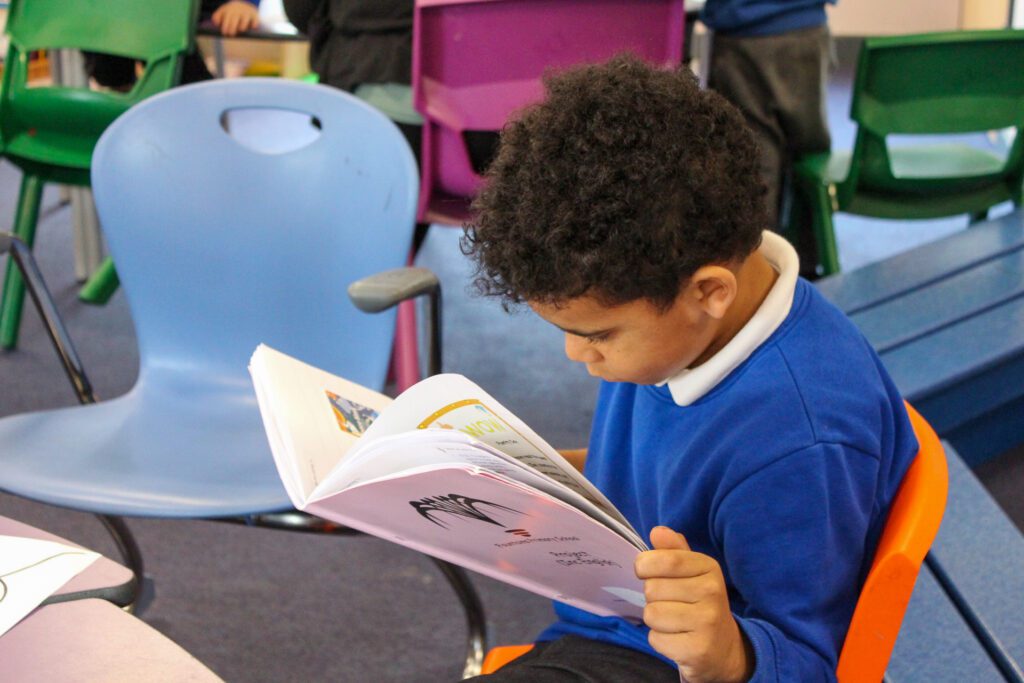
Many teachers notice a pupil who fidgets, withdraws, covers their ears or can’t sit still — and aren’t sure whether it’s behaviour, attention or something else entirely. This session bridges that gap. Rather than dwelling on theory, we focus on the small, repeatable changes that make the biggest difference — the adjustments to environment, routine and response that help a pupil regulate and actually access the lesson.
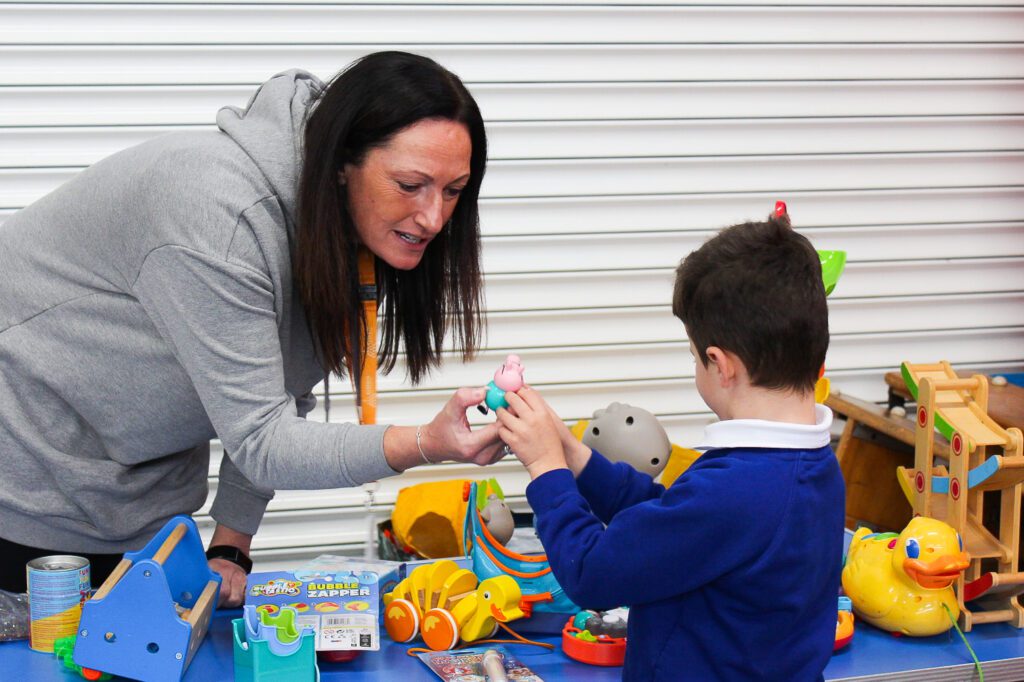
Delivered by a specialist who works in successful inclusive settings, the session is hands-on and grounded in real classroom examples. We explore what sensory needs look like in practice, how to spot the early signs of overload before it escalates, and how to adapt the classroom and your teaching so pupils can stay engaged rather than overwhelmed.
Staff leave with a shared language for inclusion and a toolkit they can use immediately: from simple environmental tweaks and movement breaks, to practical sensory strategies that support regulation and keep every learner in the lesson.
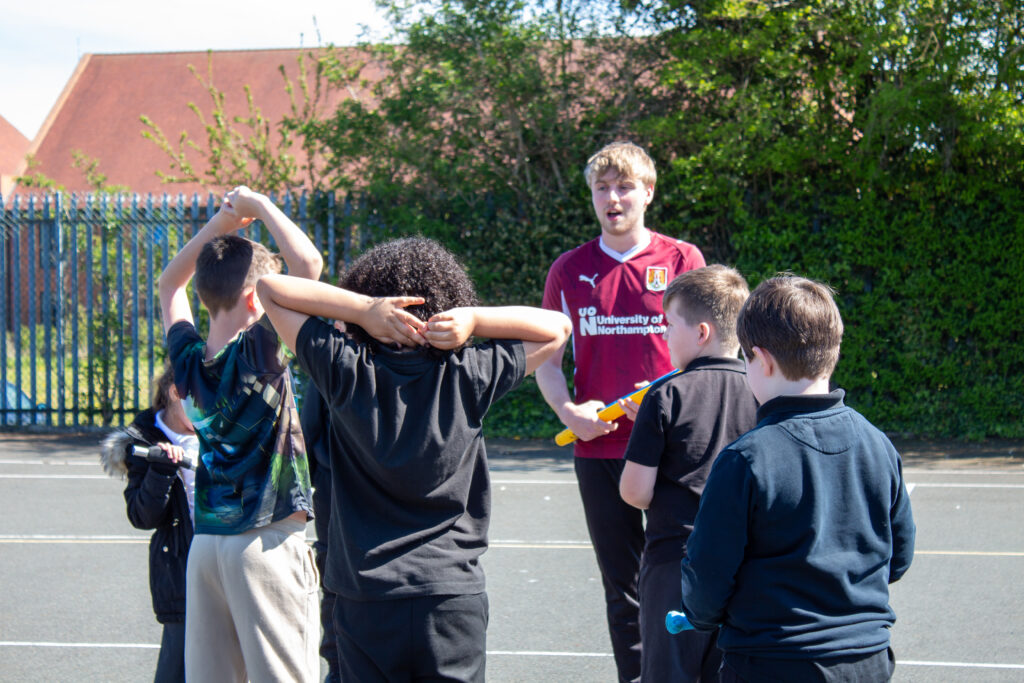
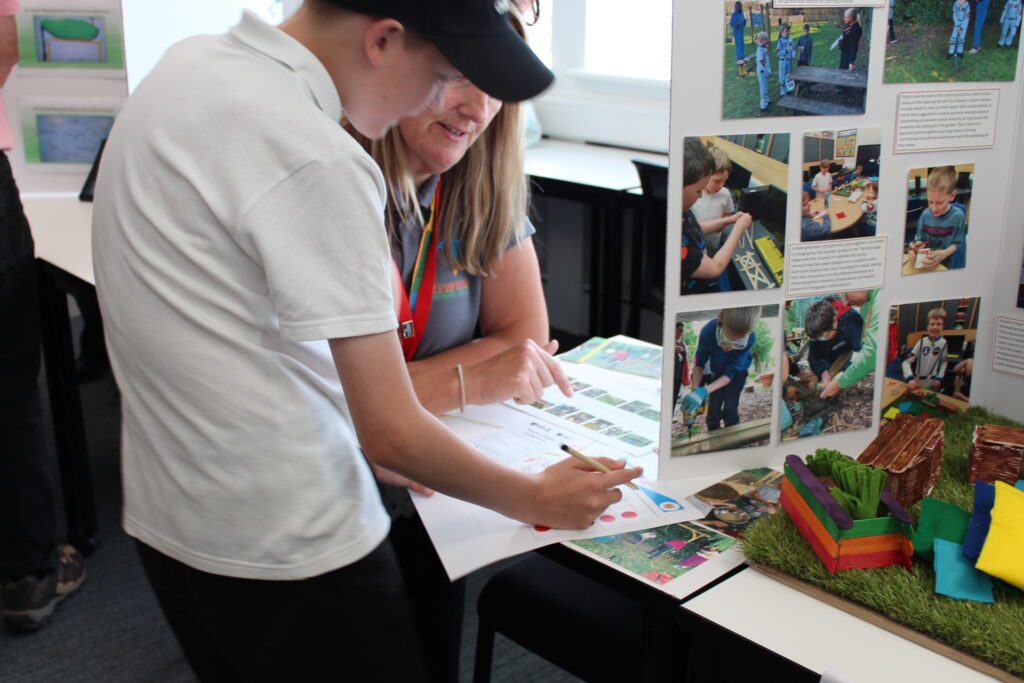
A mix of input, group discussion and practical activity. We tailor examples to your phase and context, and every delegate receives a follow-up resource pack.